
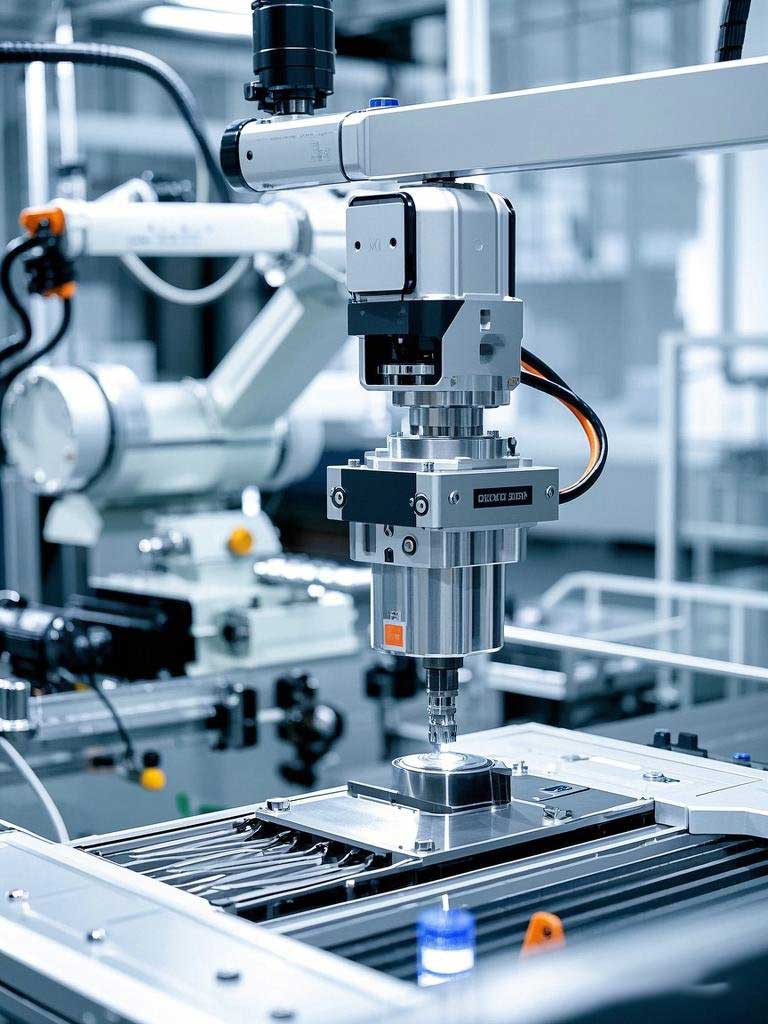
As the automotive industry shifts toward sustainable transportation, electric cars have become a focal point of innovation. A common question that arises is: Do electric cars have cylinders? The answer lies in understanding the fundamental differences between traditional internal combustion engine (ICE) vehicles and electric vehicles (EVs). In this blog post, we’ll explore the role of cylinders in cars, how electric cars operate, and what this means for the future of automotive technology.
Cylinders in Traditional Cars
In conventional gasoline or diesel-powered vehicles, cylinders are a critical component of the internal combustion engine. These cylinders house pistons that move up and down, converting fuel into mechanical energy through controlled explosions. The number of cylinders in an engine (e.g., 4, 6, or 8) directly impacts the vehicle’s power, efficiency, and performance.
Electric Cars: A Different Mechanism
Electric cars, on the other hand, operate on an entirely different principle. Instead of an internal combustion engine, they use an electric motor powered by a battery pack. Here’s why electric cars don’t have cylinders:
- No Combustion Process: Electric motors don’t rely on burning fuel, so there’s no need for cylinders, pistons, or a crankshaft.
- Simpler Design: Electric motors have fewer moving parts compared to ICEs, making them more efficient and easier to maintain.
- Instant Torque: Electric motors deliver power directly to the wheels, providing instant torque and smoother acceleration without the need for complex mechanical systems.
The Role of Cylinders in Electric Cars
While electric cars don’t have cylinders in the traditional sense, the term “cylinder” can still appear in other contexts. For example:
- Battery Design: Some battery cells, like cylindrical cells (e.g., Tesla’s 2170 cells), are shaped like cylinders. These cells store energy and power the electric motor.
- Hydraulic Systems: Certain electric vehicles may use hydraulic cylinders in their braking or suspension systems, though these are unrelated to the powertrain.
Benefits of Electric Cars Without Cylinders
The absence of cylinders in electric cars offers several advantages:
- Higher Efficiency: Electric motors convert more energy into motion compared to ICEs, reducing energy waste.
- Lower Maintenance: Fewer moving parts mean fewer components that can wear out or fail.
- Environmental Impact: Electric cars produce zero tailpipe emissions, contributing to cleaner air and reduced carbon footprints.
Conclusion
Electric cars represent a significant departure from traditional automotive design, eliminating the need for cylinders and embracing a more efficient, sustainable approach to transportation. At [Your Company Name], we’re proud to support this transition by providing advanced electric cylinder technology for various industrial applications. While electric cars may not have cylinders in their engines, the principles of innovation and efficiency continue to drive the industry forward.
If you’re interested in learning more about how electric technology is shaping the future, feel free to reach out to us!
https://shorturl.fm/AVKg2
https://shorturl.fm/nRI8o
https://shorturl.fm/vR94G
https://shorturl.fm/bAVY5
https://shorturl.fm/5Kj79
https://shorturl.fm/xwrQK
https://shorturl.fm/Ddl3i
https://shorturl.fm/VAur0
https://shorturl.fm/kjwZh
https://shorturl.fm/QkF3u
https://shorturl.fm/Al8jt
https://shorturl.fm/E4LsI
https://shorturl.fm/1AYky
https://shorturl.fm/JA8Im
https://shorturl.fm/DdqQl
https://shorturl.fm/tHlYo
https://shorturl.fm/Hsy2K
https://shorturl.fm/MPncj
https://shorturl.fm/h5Iqm
https://shorturl.fm/4npvN
https://shorturl.fm/nnvrr
https://shorturl.fm/JavvR
https://shorturl.fm/ZdShS
https://shorturl.fm/6doZJ
https://shorturl.fm/gQrUP
https://shorturl.fm/vgmOp
https://shorturl.fm/klQdm
https://shorturl.fm/hdCLR
https://shorturl.fm/84HWh
https://shorturl.fm/LCzhq
https://shorturl.fm/seO4y
https://shorturl.fm/ihXHZ